




Maintaining a 12V battery is crucial for ensuring its longevity, optimal performance, and safety. As a 12V battery supplier, I've witnessed firsthand the impact of proper maintenance on battery life and customer satisfaction. In this blog post, I'll share some essential tips on how to maintain a 12V battery effectively, whether it's a lead - acid, lithium - ion, or other types commonly used in various applications.


Understanding Your 12V Battery
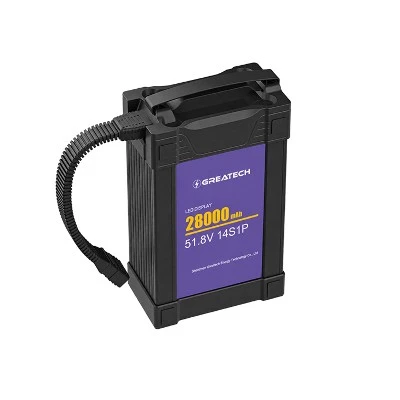
Before diving into maintenance, it's important to understand the type of 12V battery you have. Different battery chemistries have different requirements. For instance, lead - acid batteries are widely used in automotive and backup power systems. They are relatively inexpensive but require regular maintenance. On the other hand, lithium - ion batteries, such as the 12V 400Ah LiFePO4 Lithium Battery, 12V 100Ah LiFePO4 Lithium Battery, and 12V 280Ah LiFePO4 Lithium Battery, are known for their high energy density, long cycle life, and low self - discharge rate.
Regular Inspection
- Visual Inspection: Start by visually inspecting the battery regularly. Look for signs of physical damage, such as cracks, bulges, or leaks. A cracked battery case can lead to electrolyte leakage, which is not only dangerous but also can cause the battery to fail prematurely. For lead - acid batteries, check the water level in each cell if it's a flooded type. The water should cover the plates, and distilled water should be added if necessary.
- Terminal Inspection: Examine the battery terminals for corrosion. Corrosion on the terminals can impede the flow of electricity and cause starting problems. You can clean the terminals using a mixture of baking soda and water. Apply the solution with a brush, scrub the terminals gently, and then rinse with clean water. After cleaning, dry the terminals thoroughly and apply a thin layer of petroleum jelly or terminal protector spray to prevent future corrosion.
Charging Practices
- Proper Charger: Use a charger that is specifically designed for your 12V battery type. For example, lithium - ion batteries require a charger with a constant - current/constant - voltage (CC/CV) charging profile. Using an incorrect charger can overcharge or undercharge the battery, reducing its lifespan.
- Avoid Overcharging: Overcharging can cause excessive heat, gas generation, and electrolyte loss in lead - acid batteries. In lithium - ion batteries, overcharging can lead to thermal runaway, which is a dangerous condition that can cause the battery to catch fire or explode. Most modern chargers have built - in protection circuits to prevent overcharging, but it's still important to monitor the charging process.
- Avoid Deep Discharging: Deep discharging a battery can also shorten its life. For lead - acid batteries, try to avoid discharging them below 50% of their capacity. Lithium - ion batteries can tolerate deeper discharges better than lead - acid batteries, but it's still advisable to keep the state of charge (SOC) above 20% to maximize their lifespan.
Storage
- Storage Conditions: If you need to store a 12V battery for an extended period, store it in a cool, dry place. High temperatures can accelerate the self - discharge rate of the battery and cause internal damage. For lead - acid batteries, it's recommended to store them at a temperature between 32°F (0°C) and 77°F (25°C). Lithium - ion batteries can be stored at a wider temperature range, but it's still best to avoid extreme temperatures.
- Charge Before Storage: Before storing a battery, make sure it is fully charged. For lead - acid batteries, a fully charged battery is less likely to sulfate during storage. Sulfation occurs when lead sulfate crystals form on the battery plates, reducing the battery's capacity. Lithium - ion batteries should also be stored at a partial charge (around 50 - 60% SOC) to prevent degradation during long - term storage.
- Periodic Recharging: If the battery is stored for more than a few months, it's a good idea to recharge it periodically. For lead - acid batteries, recharge them every 3 - 6 months. Lithium - ion batteries can be recharged less frequently, but it's still recommended to check the SOC every 6 - 12 months and recharge if necessary.
Usage
- Load Management: Avoid subjecting the battery to excessive loads. For example, in a vehicle, avoid using high - power accessories when the engine is off, as this can quickly drain the battery. In a backup power system, make sure the total power consumption of the connected devices does not exceed the battery's capacity.
- Temperature Management: High temperatures can reduce the battery's performance and lifespan. In hot environments, try to provide adequate ventilation or cooling for the battery. In cold environments, use a battery warmer or insulate the battery to maintain its operating temperature.
Safety Precautions
- Ventilation: When charging or using a 12V battery, make sure there is adequate ventilation. Lead - acid batteries produce hydrogen gas during charging, which is flammable. A build - up of hydrogen gas can create an explosion hazard. Lithium - ion batteries also generate heat during charging and discharging, and proper ventilation can help dissipate the heat.
- Protective Gear: When handling a battery, wear protective gear such as gloves and safety glasses. Battery acid can cause severe burns, and the electrical current can cause electric shock.
Maintenance Records
Keep a record of the battery's maintenance history, including charging cycles, inspections, and any issues or repairs. This record can help you track the battery's performance over time and identify any potential problems early. It can also be useful when it comes to warranty claims or when deciding whether to replace the battery.
Conclusion
Maintaining a 12V battery is not a difficult task, but it requires attention to detail and regular care. By following these tips, you can extend the life of your 12V battery, ensure its optimal performance, and enhance its safety. As a 12V battery supplier, I'm committed to providing high - quality batteries and helping our customers maintain them properly. If you have any questions about 12V battery maintenance or if you're interested in purchasing a new 12V battery, please feel free to contact us for further discussion and procurement.
References
- Linden, D., & Reddy, T. B. (2002). Handbook of Batteries (3rd ed.). McGraw - Hill.
- Buchmann, I. (2012). Battery University: How to Maximize Battery Performance and Lifespan. Cadex Electronics Inc.