




Overcharging a 48V battery can significantly reduce its lifespan, performance, and even pose safety risks such as overheating and potential fire hazards. As a reliable 48V battery supplier, I understand the importance of proper battery management to ensure long - term use and customer satisfaction. In this blog, I'll share some effective methods to protect a 48V battery from overcharging.
Understanding the Basics of 48V Battery Overcharging
Before diving into the protection methods, it's crucial to understand why overcharging is a problem for 48V batteries. Most 48V batteries, especially lithium - ion ones, have a specific voltage range at which they operate optimally. When a battery is charged above its maximum allowable voltage, it can cause chemical reactions within the battery cells that lead to degradation.
For example, in lithium - ion batteries, overcharging can cause lithium metal to deposit on the electrodes, which is known as lithium plating. This can lead to short - circuits within the battery, reduced capacity, and an increased risk of thermal runaway.
1. Use a High - Quality Charge Controller
A charge controller is an essential device for protecting a 48V battery from overcharging. It regulates the charging process by monitoring the battery's voltage and current. When the battery reaches its full charge, the charge controller automatically reduces or stops the charging current.
There are different types of charge controllers available in the market, such as PWM (Pulse Width Modulation) and MPPT (Maximum Power Point Tracking) controllers. For 48V batteries, MPPT controllers are often a better choice as they can extract more power from the charging source (such as solar panels) and are more efficient in regulating the charging process.
When selecting a charge controller, make sure it is compatible with your 48V battery's chemistry (e.g., lithium - ion, lead - acid) and has the appropriate voltage and current ratings. A well - designed charge controller can extend the life of your battery by preventing overcharging and ensuring a proper charging profile.
2. Set Up a Battery Management System (BMS)
A Battery Management System is a more advanced solution for protecting 48V lithium - ion batteries. A BMS monitors and manages each individual cell in the battery pack. It can balance the charge levels between cells, prevent over - voltage and under - voltage conditions, and also protect against over - current and short - circuits.
In a 48V battery pack, which typically consists of multiple cells connected in series, a BMS ensures that each cell is charged and discharged evenly. This is important because if one cell is overcharged while others are not, it can lead to premature failure of the entire battery pack.

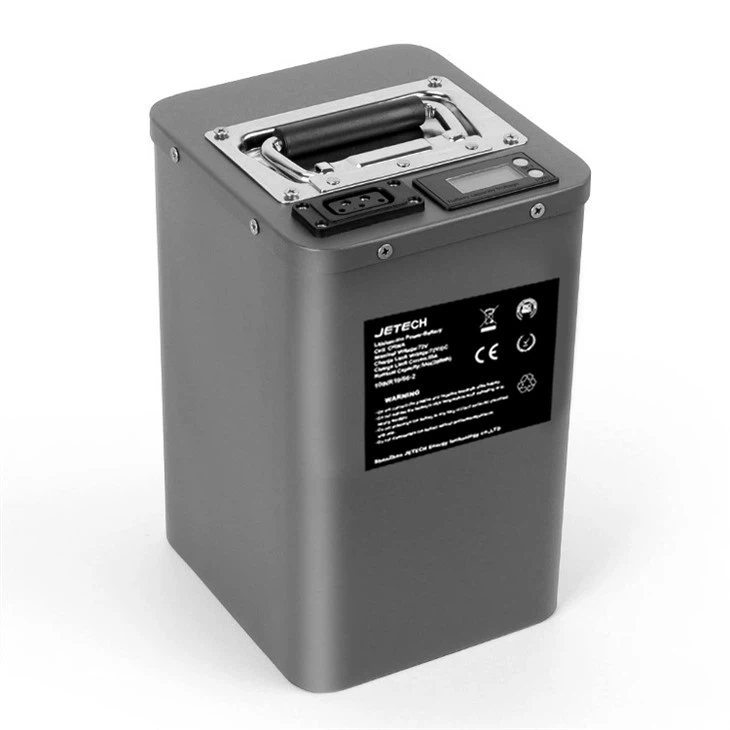
Most modern 48V lithium - ion battery packs come with a built - in BMS. However, if you are building your own battery pack or using a battery without a BMS, it is highly recommended to install one. You can find a variety of BMS options on the market, with different features and capacities to suit your specific needs.
3. Follow the Manufacturer's Charging Instructions
As a 48V battery supplier, I always emphasize the importance of following the manufacturer's charging instructions. Each battery has its own unique charging requirements based on its chemistry, capacity, and design.
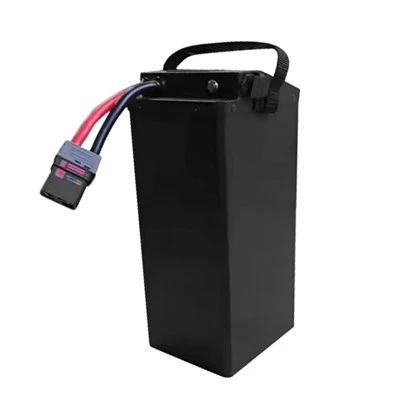
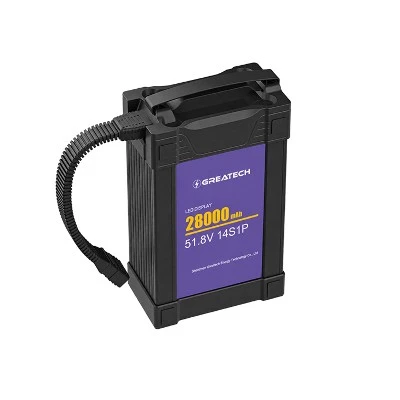
The manufacturer's instructions will specify the maximum charging voltage, charging current, and the recommended charging time. For example, a 48V 30Ah Lithium Ion Battery may have different charging parameters compared to a 48V 35Ah Lithium Ion Battery or a 48V 45Ah Lithium Ion Battery.
Using a charger that is not compatible with your battery can lead to overcharging. For instance, if you use a charger with too high a voltage output for a 48V lithium - ion battery, it can quickly overcharge the battery and cause damage.
4. Monitor the Battery's State of Charge
Regularly monitoring the state of charge (SOC) of your 48V battery is another effective way to prevent overcharging. There are several ways to monitor the SOC:
- Voltmeter: A simple voltmeter can be used to measure the battery's terminal voltage. However, this method only provides an approximate indication of the SOC, as the voltage can vary depending on the battery's load and temperature.
- Battery Monitor: A more accurate way is to use a battery monitor. These devices can measure the battery's voltage, current, and temperature, and calculate the SOC based on these parameters. Some advanced battery monitors can also provide real - time data and alarms when the battery is approaching full charge or experiencing other issues.
By keeping an eye on the SOC, you can stop the charging process in time to prevent overcharging.
5. Avoid Charging at High Temperatures
High temperatures can accelerate the degradation of 48V batteries and increase the risk of overcharging. When a battery is charged at high temperatures, the chemical reactions within the battery occur more rapidly, which can lead to higher internal resistance and voltage.
Most 48V battery manufacturers recommend charging the battery within a specific temperature range. For example, lithium - ion batteries are typically best charged at temperatures between 0°C and 45°C. If the ambient temperature is too high, it is advisable to wait until it cools down before charging the battery.
6. Disconnect the Charger After Fully Charged
This may seem obvious, but many people forget to disconnect the charger from the battery after it is fully charged. Leaving the charger connected for an extended period can lead to overcharging, especially if the charger does not have an automatic shut - off feature.
To avoid this, set a reminder or use a timer to know when the battery is likely to be fully charged. Once the battery reaches full charge, immediately disconnect the charger from the battery.
Contact Us for 48V Battery Solutions
Protecting your 48V battery from overcharging is crucial for its longevity and performance. As a professional 48V battery supplier, we offer a wide range of high - quality 48V batteries, including 48V 30Ah Lithium Ion Battery, 48V 35Ah Lithium Ion Battery, and 48V 45Ah Lithium Ion Battery. Our batteries are designed with advanced technologies and built - in protection mechanisms to ensure safe and reliable operation.
If you are interested in our products or need more information about 48V battery protection and management, please feel free to contact us. We are committed to providing you with the best battery solutions and excellent customer service.
References
- Battery University. "Overcharging of Batteries." Accessed XXXX.
- Manufacturer's manuals for 48V batteries, including information on charging, operation, and maintenance.
- Research papers on battery technology and management, such as those published in the Journal of Power Sources.