







Hey there! As a supplier of 5kWh batteries, I often get asked this question: "Is a 5kWh battery recyclable?" Well, let's dive right into it and find out.
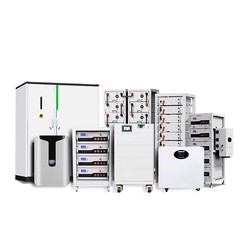
First off, what exactly is a 5kWh battery? A 5kWh battery is a pretty decent - sized energy storage unit. It can store enough energy to power small appliances in your home for a while or be used in some off - grid systems. You can check out our 5KWh Energy Storage Battery for more details on the kind of battery we're talking about.
Now, let's talk about recyclability. The short answer is yes, a 5kWh battery is generally recyclable, but it depends on the type of battery. There are mainly two types of batteries that are commonly used for 5kWh storage: lithium - ion batteries and lead - acid batteries.
Lithium - Ion Batteries
Lithium - ion batteries are super popular these days because they're lightweight, have a high energy density, and a long lifespan. But are they recyclable? Absolutely! These batteries contain valuable materials like lithium, cobalt, nickel, and graphite. Recycling them not only helps in conserving these precious resources but also reduces the environmental impact.
The recycling process of lithium - ion batteries is a bit complex. First, the batteries are collected and transported to a recycling facility. At the facility, they're discharged to make them safe to handle. Then, they're shredded into small pieces. Through a series of chemical processes, the different metals are separated out. For example, cobalt can be used to make new batteries, and lithium can be reused in various industries.
However, there are some challenges in recycling lithium - ion batteries. One of the biggest issues is the lack of a well - established recycling infrastructure. Collecting used batteries from consumers can be difficult, and the cost of recycling can be relatively high. But as the demand for these batteries grows, more and more companies are investing in better recycling technologies to make the process more efficient and cost - effective.
Lead - Acid Batteries
Lead - acid batteries have been around for a long time. They're heavy and have a lower energy density compared to lithium - ion batteries, but they're also very reliable and relatively inexpensive. And the good news is that lead - acid batteries are highly recyclable.
In fact, lead - acid batteries have one of the highest recycling rates among all battery types. The recycling process for lead - acid batteries is more straightforward. The batteries are broken down, and the lead is melted and refined. The sulfuric acid can also be recycled and used in other industrial processes. The plastic casings of the batteries can be recycled to make new battery cases or other plastic products.
The high recyclability of lead - acid batteries is due in part to strict regulations in many countries. There are well - established collection and recycling systems in place. When you buy a new lead - acid battery, you often have to return the old one to the retailer, which ensures that the batteries are properly recycled.
Our Role as a Supplier
As a 5kWh battery supplier, we take our environmental responsibilities seriously. We're committed to promoting battery recycling. We work with recycling partners to ensure that the batteries we sell can be recycled properly at the end of their life.
We also offer a 15KWh Energy Storage Battery and a 3KWh Energy Storage Battery for those who have different energy storage needs. All of our batteries, regardless of their capacity, are designed with recyclability in mind.
We educate our customers about the importance of battery recycling. When you purchase a battery from us, we provide information on how to safely dispose of the battery when it's no longer usable. We also encourage our customers to participate in battery recycling programs.
The Benefits of Recycling Batteries
Recycling batteries has several benefits. From an environmental perspective, it reduces the amount of hazardous waste that ends up in landfills. Batteries contain toxic chemicals that can leach into the soil and water, causing pollution. By recycling, we can prevent this from happening.
Economically, recycling batteries can save a lot of money. As mentioned earlier, the materials in batteries are valuable. Recycling them means we don't have to mine as much new material, which can be a costly and environmentally damaging process.


Encouraging More Recycling
To increase the recycling rate of 5kWh batteries, we need the cooperation of everyone involved. Consumers need to be more aware of the importance of recycling and make an effort to return their used batteries. Governments can play a role by implementing more strict regulations and providing incentives for recycling. And battery manufacturers and suppliers, like us, need to continue investing in research and development to make batteries more recyclable and to improve the recycling process.
Conclusion
So, to answer the question "Is a 5kWh battery recyclable?", the answer is a resounding yes. Whether it's a lithium - ion battery or a lead - acid battery, there are ways to recycle them. At our company, we're doing our part to ensure that our batteries are recycled properly and to promote a more sustainable future.
If you're interested in purchasing a 5kWh battery or any of our other energy storage solutions, we'd love to have a chat with you. Feel free to reach out to us to start a procurement discussion. We're here to help you find the best battery solution for your needs.
References
- "Battery Recycling: A Global Perspective" - Journal of Energy Storage
- "The Future of Lithium - Ion Battery Recycling" - Battery Technology Magazine
- "Lead - Acid Battery Recycling: Best Practices" - Environmental Protection Agency Report


