




As a reputable 6S battery supplier, I often encounter various questions from customers regarding the performance and characteristics of our products. One of the most frequently asked questions is, "Is it normal for a 6S battery to get warm during charging?" In this blog post, I'll delve into this topic, exploring the reasons behind battery heating during charging and whether it's a cause for concern.
Understanding 6S Batteries
Before we discuss the heating issue, let's briefly understand what a 6S battery is. The "6S" in a battery refers to a battery pack composed of six individual lithium - polymer (Li - Po) cells connected in series. Each Li - Po cell typically has a nominal voltage of 3.7V, so a 6S battery has a nominal voltage of 6×3.7V = 22.2V. These batteries are widely used in various applications, such as drones, remote - controlled vehicles, and some high - power electronic devices.
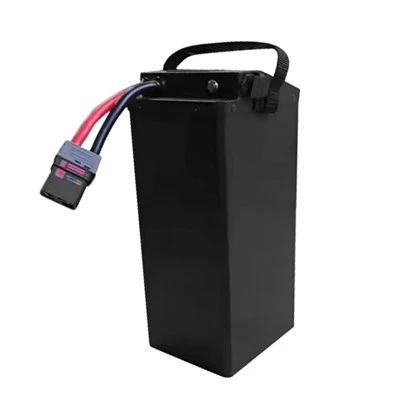
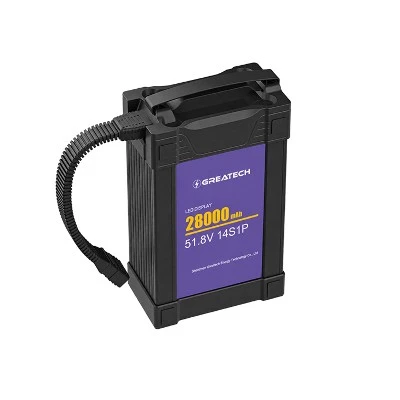
We offer a range of 6S batteries, including the Lipo 22000mAh 6S Battery, 22.2V 16000mAh Lipo Battery, and 22.2V 30000mAh Drone Battery, which are designed to meet different power requirements.
Why Do 6S Batteries Get Warm During Charging?
1. Internal Resistance
All batteries have internal resistance. When current flows through the battery during the charging process, according to Joule's law (Q = I²Rt, where Q is the heat generated, I is the current, R is the internal resistance, and t is the time), heat is produced. The internal resistance of a battery is affected by factors such as the battery's chemistry, age, and state of charge. Newer batteries generally have lower internal resistance, while older or damaged batteries may have higher internal resistance, resulting in more heat generation.
2. Charging Current
The charging current also plays a significant role in heat generation. A higher charging current means more electrons are flowing into the battery per unit time. If the charging current is set too high, it can cause excessive heat to be generated. For example, if you try to charge a 6S battery at a very high - rate charger that the battery is not designed for, it will likely get warmer than normal.
3. Charging Environment
The ambient temperature can affect how warm a battery gets during charging. If you are charging the battery in a hot environment, the battery will have a harder time dissipating heat, and it may become warmer than it would in a cooler environment. Similarly, if the battery is enclosed in a tight space with poor ventilation during charging, the heat will accumulate, leading to an increase in temperature.
Is It Normal for a 6S Battery to Get Warm?
In general, it is normal for a 6S battery to get slightly warm during charging. A slight increase in temperature, usually within 10 - 15 degrees Celsius above the ambient temperature, is considered normal. This is due to the natural heat generation from the internal resistance and the charging process.
However, if the battery becomes extremely hot to the touch, or if the temperature continues to rise rapidly during charging, it is a sign of a problem. Overheating can damage the battery's internal structure, reduce its capacity, and even pose a safety risk, such as the potential for a fire or explosion.
When to Be Concerned
1. Excessive Heat
If the battery feels too hot to hold for more than a few seconds, it is a cause for concern. This could be due to a faulty charger, a damaged battery, or an incorrect charging setup. For example, a charger with a malfunctioning voltage or current regulator may supply too much power to the battery, causing it to overheat.
2. Unusual Odor
If you notice a strange odor, such as a burning smell, coming from the battery during charging, it is a serious warning sign. This could indicate that the battery's internal components are being damaged, and you should immediately stop the charging process and remove the battery from the charger.
3. Swelling or Deformation
If the battery starts to swell or deform during charging, it is a clear indication of a problem. Swelling can be caused by overcharging, overheating, or internal short - circuits. A swollen battery is extremely dangerous and should be handled with care and disposed of properly.
How to Minimize Heat Generation During Charging
1. Use the Right Charger
Always use a charger that is specifically designed for 6S batteries and is compatible with the battery's capacity and charging requirements. A good charger will have built - in safety features, such as over - current protection and temperature monitoring, to prevent overheating.


2. Control the Charging Current
Avoid using a high - rate charger unless the battery is rated for it. Most 6S batteries have a recommended charging current, usually expressed in terms of C - rate. For example, a 1C charge rate means charging the battery at a current equal to its capacity. Charging at a lower C - rate can reduce heat generation.
3. Provide Adequate Ventilation
Make sure the battery has enough space around it during charging to allow for proper heat dissipation. Avoid charging the battery in a closed container or in direct sunlight.
Conclusion
In conclusion, it is normal for a 6S battery to get slightly warm during charging due to internal resistance, charging current, and the charging environment. However, excessive heat, unusual odors, or swelling are signs of a problem that should not be ignored.
As a 6S battery supplier, we are committed to providing high - quality batteries and ensuring our customers' safety. If you have any questions or concerns about our Lipo 22000mAh 6S Battery, 22.2V 16000mAh Lipo Battery, 22.2V 30000mAh Drone Battery, or any other products, please feel free to contact us for more information and to discuss your procurement needs.
References
- Linden, D., & Reddy, T. B. (2002). Handbook of Batteries. McGraw - Hill.
- IEEE Standards Association. (2016). IEEE Recommended Practice for Battery Charging Systems.