




High - frequency charging has become a common practice in modern battery - powered devices, from smartphones to electric vehicles. As a battery cells supplier, I've witnessed firsthand the growing demand for faster charging solutions. However, it's crucial to understand the impact of high - frequency charging on battery cells to ensure their long - term performance and safety.
The Basics of High - Frequency Charging
High - frequency charging refers to the process of charging a battery at a relatively high rate, often in short intervals. This is in contrast to traditional slow charging, which takes a longer time to fully charge the battery. The main advantage of high - frequency charging is convenience. Users can quickly top up their devices, reducing downtime. For example, in the case of electric vehicles, high - frequency charging stations can significantly cut down the charging time, making long - distance travel more feasible.
Chemical and Physical Changes in Battery Cells
When a battery cell is subjected to high - frequency charging, several chemical and physical changes occur. Inside a lithium - ion battery, which is one of the most common types of battery cells, lithium ions move from the cathode to the anode during charging. High - frequency charging accelerates this process.
At the chemical level, high - frequency charging can cause an imbalance in the lithium - ion distribution. If the charging rate is too high, lithium ions may not have enough time to properly intercalate into the anode material. This can lead to the formation of lithium metal on the anode surface, a phenomenon known as lithium plating. Lithium plating is a serious issue as it can reduce the battery's capacity over time and increase the risk of short - circuits, which may result in overheating or even fire.
Physically, high - frequency charging generates more heat compared to slow charging. Heat is the enemy of battery cells. Elevated temperatures can accelerate the degradation of the battery's electrolyte and the electrodes. The electrolyte, which is responsible for conducting lithium ions between the anode and the cathode, can break down at high temperatures. This breakdown can lead to the formation of a resistive layer on the electrodes, increasing the internal resistance of the battery. As the internal resistance rises, the battery becomes less efficient at storing and delivering energy, and its overall performance deteriorates.
Impact on Battery Lifespan
The lifespan of a battery cell is typically measured in charge - discharge cycles. A charge - discharge cycle is defined as the process of charging a battery from empty to full and then discharging it back to empty. High - frequency charging can significantly reduce the number of charge - discharge cycles a battery can endure.
Studies have shown that batteries charged at high frequencies tend to lose their capacity more rapidly than those charged at lower frequencies. For instance, a battery that might last for 1000 charge - discharge cycles under normal charging conditions could see its lifespan reduced to 500 or even fewer cycles when subjected to high - frequency charging. This means that users will have to replace their batteries more frequently, which not only adds to the cost but also has environmental implications due to the disposal of used batteries.
Safety Concerns
Safety is a top priority when it comes to battery cells. High - frequency charging poses several safety risks. As mentioned earlier, lithium plating can lead to short - circuits, which can cause the battery to overheat or catch fire. Additionally, the increased heat generated during high - frequency charging can cause the battery to swell. Battery swelling is a sign of internal damage and can also lead to mechanical failure of the battery pack.


In some cases, high - frequency charging can cause the battery to enter a thermal runaway state. Thermal runaway is a self - sustaining reaction where the heat generated by the battery causes further chemical reactions that produce even more heat. This can quickly lead to a catastrophic failure of the battery, with potentially dangerous consequences.
Mitigating the Impact of High - Frequency Charging
As a battery cells supplier, we are constantly working on developing solutions to mitigate the negative impact of high - frequency charging. One approach is to improve the battery's design. For example, using advanced electrode materials that can better withstand high - rate charging. Some new anode materials have been developed that can reduce the risk of lithium plating even at high charging rates.
Another strategy is to implement better thermal management systems. These systems can help dissipate the heat generated during high - frequency charging, keeping the battery at a safe operating temperature. For example, liquid - cooled battery packs are becoming more common in electric vehicles. The liquid coolant circulates around the battery cells, absorbing the heat and transferring it to a radiator, where it can be dissipated into the environment.
We also recommend using smart charging algorithms. These algorithms can adjust the charging rate based on the battery's state of charge, temperature, and other factors. For example, when the battery is almost full, the charging rate can be automatically reduced to prevent overcharging and minimize the risk of lithium plating.
Our Product: 12V 4.5Ah LiFePO4 Lithium Battery
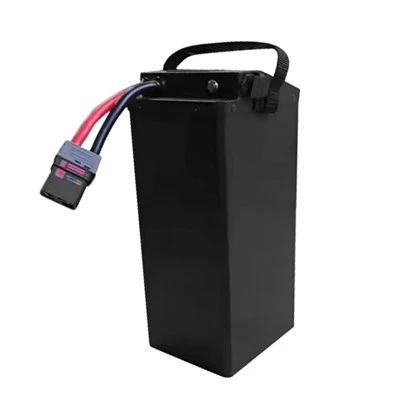
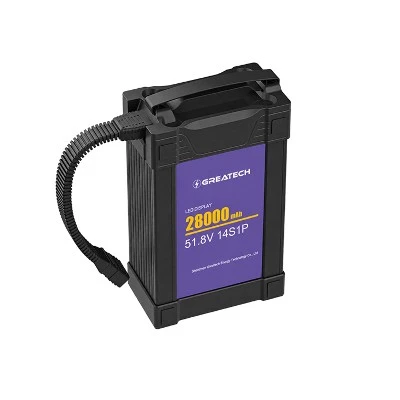
At our company, we offer a high - quality 12V 4.5Ah LiFePO4 Lithium Battery. This battery is designed to provide reliable performance even under high - frequency charging conditions. LiFePO4 (lithium iron phosphate) is a type of cathode material that has several advantages over traditional lithium - ion battery chemistries. It has a higher thermal stability, which means it can better withstand the heat generated during high - frequency charging.
The 12V 4.5Ah LiFePO4 Lithium Battery also has a long cycle life. Our advanced manufacturing processes and quality control measures ensure that the battery can endure a large number of charge - discharge cycles, even when charged at high frequencies. This makes it an ideal choice for applications where high - frequency charging is required, such as in some portable power tools and small electric vehicles.
Conclusion
High - frequency charging offers great convenience, but it comes at a cost. The impact on battery cells can be significant, including reduced lifespan, safety risks, and performance degradation. However, through continuous research and development, we are making progress in minimizing these negative effects.
As a battery cells supplier, we are committed to providing our customers with high - quality battery solutions that can meet the demands of high - frequency charging while maintaining safety and performance. If you are interested in our products or have any questions about high - frequency charging and battery cells, we encourage you to contact us for a procurement discussion. We look forward to working with you to find the best battery solutions for your needs.
References
- Arora, P., Zhang, Z., & White, R. E. (1999). Comparison of Modeling Predictions with Experimental Data from Plastic Lithium - Ion Cells. Journal of The Electrochemical Society, 146(10), 3543 - 3551.
- Chen, Z., & Evans, D. J. (2006). A review of the features and analyses of the solid electrolyte interphase in Li - ion batteries. Journal of Power Sources, 159(1), 1 - 12.
- Tarascon, J. M., & Armand, M. (2001). Issues and challenges facing rechargeable lithium batteries. Nature, 414(6861), 359 - 367.