




When it comes to starter batteries, understanding the voltage requirements is crucial for ensuring optimal performance and compatibility with various applications. As a reputable starter battery supplier, I've encountered numerous customers seeking guidance on this topic. In this blog post, I'll delve into the key factors influencing voltage requirements for starter batteries, explore different voltage options available in the market, and provide insights to help you make informed decisions for your specific needs.
Understanding Voltage in Starter Batteries
Voltage is a fundamental electrical property that represents the potential difference between two points in an electrical circuit. In the context of starter batteries, voltage determines the amount of electrical energy available to start an engine. A higher voltage generally means more power can be delivered to the starter motor, enabling it to crank the engine more effectively.
The voltage of a starter battery is typically measured in volts (V). Common voltage ratings for starter batteries include 6V, 12V, 24V, and even higher in some specialized applications. The choice of voltage depends on several factors, including the type of engine, the size of the vehicle or equipment, and the electrical system requirements.

Factors Influencing Voltage Requirements
Engine Type
Different types of engines have varying voltage requirements. For example, small engines such as those found in lawnmowers, motorcycles, and some small boats may only require a 6V or 12V starter battery. These engines are relatively easy to start and do not demand a large amount of electrical power.
On the other hand, larger engines like those in cars, trucks, buses, and heavy equipment typically require a 12V or 24V starter battery. These engines have more cylinders, higher compression ratios, and larger starter motors, which need more power to turn over the engine. Diesel engines, in particular, often require 24V systems due to their higher compression ratios and the need for more energy to start the combustion process.
Vehicle or Equipment Size
The size of the vehicle or equipment also plays a role in determining the voltage requirements. Larger vehicles and equipment generally have more electrical components and systems, which require more power to operate. For instance, a large commercial truck may have multiple accessories such as lights, radios, air conditioning, and power steering, all of which draw electrical energy from the battery. In such cases, a higher voltage battery may be necessary to meet the increased power demands.
Electrical System Requirements
The electrical system of the vehicle or equipment must be compatible with the voltage of the starter battery. Most modern vehicles and equipment are designed to operate on a specific voltage, and using a battery with the wrong voltage can cause damage to the electrical components. It's important to consult the vehicle or equipment manufacturer's specifications to determine the correct voltage for the starter battery.
Common Voltage Options for Starter Batteries
6V Starter Batteries
6V starter batteries are commonly used in small engines and applications where a relatively low amount of power is required. They are often found in lawnmowers, garden tractors, golf carts, and some older vehicles. These batteries are typically smaller and lighter than higher voltage batteries, making them suitable for compact applications.
12V Starter Batteries
12V starter batteries are the most common type of starter battery used in automotive applications. They are used in cars, trucks, SUVs, motorcycles, and many other vehicles. 12V batteries are also widely used in marine applications, recreational vehicles (RVs), and small boats. The 12V electrical system is standard in most modern vehicles, and these batteries provide sufficient power to start the engine and operate the electrical accessories.
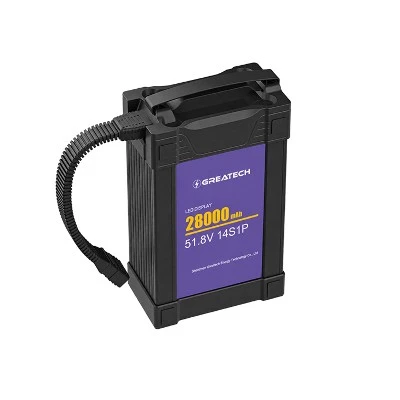
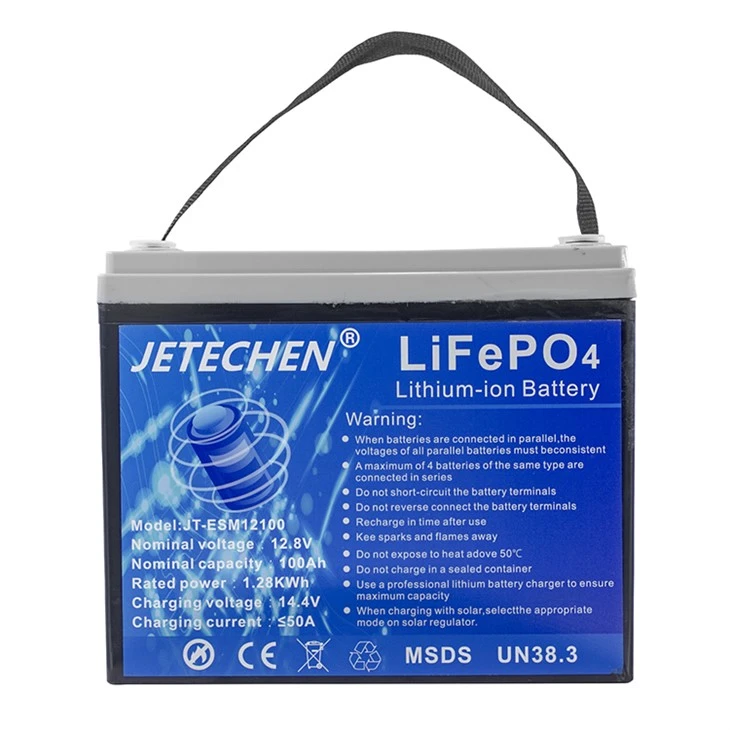
If you're looking for a reliable 12V starter battery, we offer the 12V 100Ah LiFePO4 Lithium Battery. This high-quality battery provides long-lasting performance and is a great option for a variety of applications.
24V Starter Batteries
24V starter batteries are commonly used in larger vehicles and equipment, such as commercial trucks, buses, heavy machinery, and some industrial applications. These batteries are typically made up of two 12V batteries connected in series to achieve a total voltage of 24V. The higher voltage provides more power to start the engine and operate the electrical systems in these larger vehicles.
Higher Voltage Batteries
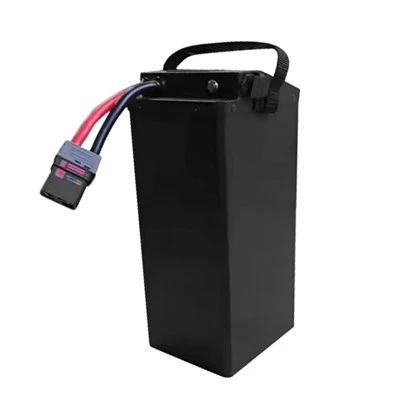
In some specialized applications, such as electric motorcycles and high-performance vehicles, higher voltage batteries may be required. For example, electric motorcycles often use Electrical Motorcycle Battery 72V 30Ah LiFePO4 Battery Deep Cycle Battery to provide the necessary power for high-speed operation and long-range riding. Similarly, some high-performance electric vehicles may use 80V or even higher voltage batteries to achieve maximum power and performance. We also offer the 80V 200Ah LiFePo4 Battery for these specialized applications.
Choosing the Right Voltage for Your Starter Battery
When choosing a starter battery, it's important to consider the factors mentioned above to ensure that you select the right voltage for your application. Here are some tips to help you make the right choice:
- Consult the Manufacturer's Specifications: Always refer to the vehicle or equipment manufacturer's specifications to determine the correct voltage for the starter battery. This information can usually be found in the owner's manual or on the manufacturer's website.
- Consider the Power Requirements: Evaluate the power requirements of your engine, vehicle, or equipment. If you have a larger engine or multiple electrical accessories, you may need a higher voltage battery to meet the increased power demands.
- Think About Compatibility: Ensure that the battery voltage is compatible with the electrical system of your vehicle or equipment. Using a battery with the wrong voltage can cause damage to the electrical components and may void the warranty.
- Quality and Reliability: Choose a high-quality starter battery from a reputable manufacturer. A reliable battery will provide consistent performance and last longer, reducing the risk of breakdowns and costly repairs.
Conclusion
Understanding the voltage requirements for a starter battery is essential for ensuring optimal performance and compatibility with your vehicle or equipment. By considering factors such as engine type, vehicle size, and electrical system requirements, you can choose the right voltage battery for your specific needs. As a starter battery supplier, we offer a wide range of high-quality batteries in different voltage options to meet the diverse needs of our customers.
If you have any questions or need assistance in selecting the right starter battery for your application, please don't hesitate to contact us. Our team of experts is here to help you make an informed decision and ensure that you get the best battery for your money. We look forward to working with you and providing you with top-notch products and services.
References
- Battery Council International (BCI). Battery Application Manual.
- Society of Automotive Engineers (SAE). Electrical System Standards.
- Vehicle and equipment manufacturer's specifications.