




Hey there! As a supplier of 72V batteries, I often get asked about the cycle life of these powerhouses. So, let's dive right in and break down what the cycle life of a 72V battery really means.
First off, what's a cycle? A charge - discharge cycle is when you fully charge a battery and then fully discharge it. It's like taking your battery on a little energy roller - coaster ride. The cycle life of a battery is the number of these charge - discharge cycles it can go through before its capacity drops to a certain level, usually around 80% of its original capacity.
Now, the cycle life of a 72V battery can vary a whole lot depending on the type of battery. There are mainly two types we deal with: lead - acid and lithium - ion (specifically LiFePO4).
Lead - Acid Batteries
Lead - acid batteries have been around for ages. They're pretty common in a lot of applications, but they do have their limitations when it comes to cycle life. A typical 72V lead - acid battery might have a cycle life of anywhere from 300 to 500 cycles. That's not too shabby, but it's nowhere near as good as some of the newer battery technologies.
The reason for this relatively low cycle life is the way lead - acid batteries work. Inside, there are lead plates and an electrolyte solution. Over time, as the battery goes through charge - discharge cycles, the lead plates can start to degrade. Sulfation can occur, which is when lead sulfate crystals build up on the plates. These crystals can reduce the battery's ability to hold a charge and eventually lead to a shorter cycle life.
If you're using a 72V lead - acid battery in a deep - cycle application, like in an electric golf cart or a small electric vehicle, you need to be careful. Deep - cycling a lead - acid battery (discharging it to a very low level) too often can really take a toll on its cycle life. It's better to keep the depth of discharge (DOD) to around 50% or less if you want to extend the battery's lifespan.
Lithium - Ion (LiFePO4) Batteries
On the other hand, LiFePO4 batteries are the new kids on the block, and they're making a big splash. A 72V LiFePO4 battery can have a cycle life of 2000 to 5000 cycles or even more. That's a huge difference compared to lead - acid batteries!
The secret behind the long cycle life of LiFePO4 batteries lies in their chemistry. Lithium - ion batteries use lithium ions to store and release energy. LiFePO4, in particular, has a very stable crystal structure. This stability means that the battery can go through many more charge - discharge cycles without significant degradation.
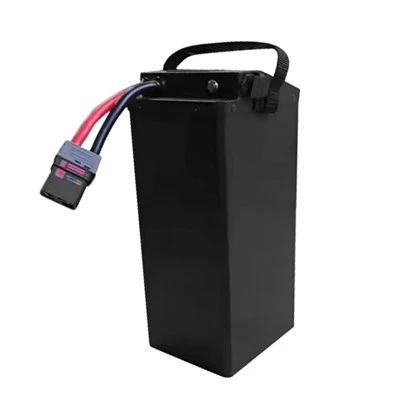
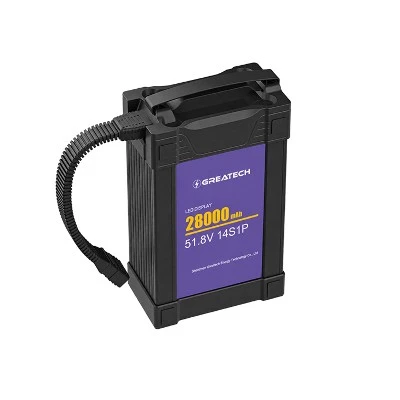
Let's take a look at some of our popular LiFePO4 battery products. We have the 72V 50Ah LiFePo4 Battery. This battery is great for a variety of applications, from electric motorcycles to small electric boats. With its high capacity and long cycle life, it can provide reliable power for a long time.
Another option is the Electrical Motorcycle Battery 72V 30Ah LiFePO4 Battery Deep Cycle Battery. If you're into electric motorcycles, this battery is a perfect fit. It's designed for deep - cycling, which means it can handle being discharged and recharged multiple times without losing its performance.
And for those who need even more power, we offer the 72V 100Ah LiFePo4 Battery. This high - capacity battery is ideal for larger electric vehicles or off - grid energy storage systems. With its long cycle life, you can count on it to keep your system running smoothly for years to come.
Factors Affecting Cycle Life
It's not just the battery type that affects the cycle life. There are several other factors that can have a big impact.
Temperature
Temperature plays a huge role. Batteries don't like extreme temperatures. If it's too hot, the chemical reactions inside the battery can speed up, causing the battery to degrade faster. On the other hand, if it's too cold, the battery's performance can drop significantly. For LiFePO4 batteries, the optimal operating temperature is between 20°C and 40°C. Keeping your battery within this temperature range can help extend its cycle life.
Charging and Discharging Rates
The rate at which you charge and discharge a battery also matters. If you charge a battery too quickly (high - current charging), it can generate a lot of heat, which can damage the battery. Similarly, discharging a battery too quickly can also put stress on it. It's best to follow the manufacturer's recommendations for charging and discharging rates to ensure a long cycle life.
Depth of Discharge
As I mentioned earlier, the depth of discharge is crucial, especially for lead - acid batteries. For LiFePO4 batteries, they can handle deeper discharges better than lead - acid batteries, but it's still a good idea to avoid very deep discharges if possible. Keeping the DOD below 80% can help prolong the battery's cycle life.
Why Choose LiFePO4 Batteries?
So, why should you choose a 72V LiFePO4 battery over a lead - acid battery? Well, besides the much longer cycle life, LiFePO4 batteries have other advantages.
They're lighter. This is a big deal, especially if you're using the battery in an electric vehicle. A lighter battery means better energy efficiency and longer range.
LiFePO4 batteries also have a higher energy density. That means they can store more energy in a smaller space. So, you can get more power without having to take up a lot of room.
And let's not forget about safety. LiFePO4 batteries are much safer than other lithium - ion batteries. They're more stable and less likely to catch fire or explode, even if they're damaged.
Conclusion
In conclusion, the cycle life of a 72V battery depends on the type of battery and several other factors. Lead - acid batteries have a relatively short cycle life, while LiFePO4 batteries offer a much longer cycle life, making them a better choice for most applications.
If you're in the market for a 72V battery, whether it's for an electric motorcycle, a small electric vehicle, or an off - grid energy storage system, I highly recommend checking out our LiFePO4 batteries. They offer great performance, long cycle life, and peace of mind.


If you have any questions or are interested in purchasing our 72V batteries, feel free to reach out. We're here to help you find the perfect battery solution for your needs.
References
- Battery University: A great resource for all things battery - related. It has in - depth information on battery types, cycle life, and battery care.
- Journal of Power Sources: This academic journal publishes research on battery technologies, including studies on cycle life and battery performance.