




As a supplier of 24V 150Ah batteries, I often encounter questions from customers about the discharge cut - off voltage of these batteries. Understanding the discharge cut - off voltage is crucial for the proper use and longevity of the battery. In this blog, I will delve into what the discharge cut - off voltage of a 24V 150Ah battery is, why it matters, and how it can impact your battery's performance.
What is Discharge Cut - Off Voltage?
The discharge cut - off voltage is the minimum voltage to which a battery should be allowed to discharge. Once the battery reaches this voltage level, the discharge process should stop to prevent over - discharging. Over - discharging can cause irreversible damage to the battery, reduce its capacity, and significantly shorten its lifespan.
For a 24V 150Ah battery, the type of battery (such as lead - acid, lithium - ion, etc.) plays a crucial role in determining the discharge cut - off voltage.
Lead - Acid Batteries
Lead - acid batteries are one of the most common types used in various applications, including backup power systems, solar energy storage, and industrial equipment. For a 24V lead - acid battery, which is typically made up of 12 individual 2V cells connected in series, the recommended discharge cut - off voltage is usually around 21.6V. This is equivalent to each 2V cell reaching approximately 1.8V.
When a lead - acid battery is discharged below this cut - off voltage, several negative effects can occur. The sulfuric acid in the battery starts to react with the lead plates to form lead sulfate. When the battery is over - discharged, this lead sulfate can harden and accumulate on the plates, a phenomenon known as sulfation. Sulfation reduces the battery's ability to accept a charge and deliver power effectively, leading to a decrease in its overall capacity and performance over time.
Lithium - Ion Batteries
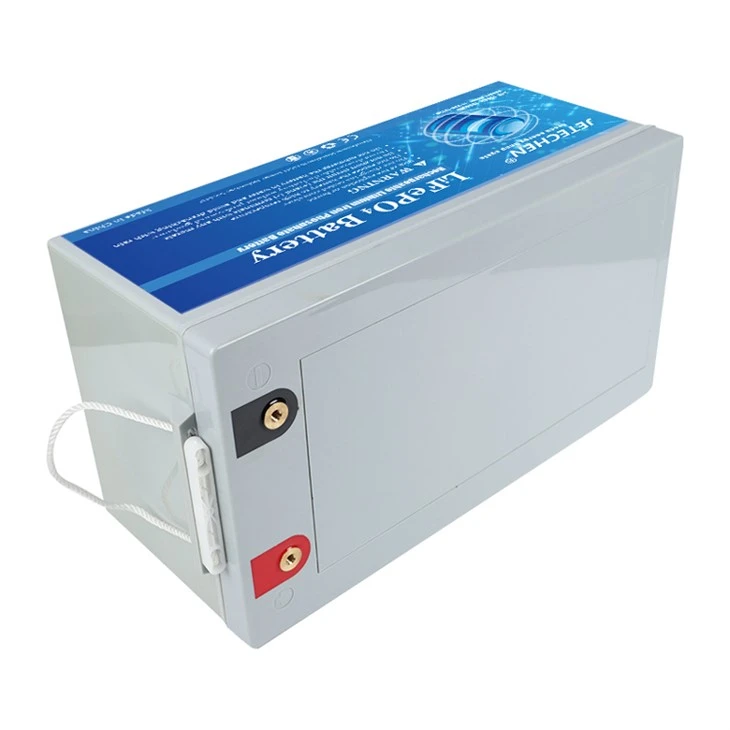
Lithium - ion batteries are becoming increasingly popular due to their high energy density, long cycle life, and low self - discharge rate. The discharge cut - off voltage for a 24V lithium - ion battery is typically different from that of a lead - acid battery. A 24V lithium - ion battery is usually made up of multiple lithium - ion cells connected in series. For example, if using 3.2V lithium - iron - phosphate (LiFePO4) cells, a 24V battery would consist of 8 cells in series.
The recommended discharge cut - off voltage for a 24V LiFePO4 battery is around 19.2V, with each 3.2V cell reaching approximately 2.4V. Discharging a lithium - ion battery below its cut - off voltage can also cause significant damage. It can lead to over - lithiumation of the anode, which can result in the growth of lithium dendrites. These dendrites can pierce the separator between the anode and cathode, causing a short - circuit and potentially leading to thermal runaway, a dangerous situation where the battery overheats and can even catch fire or explode.
Why Does the Discharge Cut - Off Voltage Matter?
The discharge cut - off voltage is a critical parameter for several reasons. Firstly, it ensures the safety of the battery and the equipment it powers. By preventing over - discharging, we can avoid the dangerous situations mentioned above, such as sulfation in lead - acid batteries and dendrite growth in lithium - ion batteries.
Secondly, it helps to maintain the battery's performance and extend its lifespan. A battery that is consistently discharged below its cut - off voltage will experience a rapid decline in capacity and performance. This means that you will need to replace the battery more frequently, which can be costly in the long run.
For example, if you are using a 24V 150Ah battery in a solar energy storage system, proper management of the discharge cut - off voltage will ensure that the battery can store and release energy efficiently for many years. If the battery is over - discharged, its capacity will decrease, and it may not be able to provide enough power during periods of low sunlight or high energy demand.
How to Implement Discharge Cut - Off Voltage Protection
There are several ways to implement discharge cut - off voltage protection for a 24V 150Ah battery.

Battery Management System (BMS)
A BMS is a common and effective way to protect a battery from over - discharging. For lithium - ion batteries, a BMS is almost always required. It continuously monitors the voltage of each cell in the battery pack and automatically disconnects the load when the battery reaches the discharge cut - off voltage.
For lead - acid batteries, a BMS can also be used, but simpler voltage - sensing devices are often sufficient. These devices can be connected to the battery and the load, and they will cut off the connection when the battery voltage drops to the preset cut - off level.
Charge Controllers
In solar energy systems, charge controllers play a crucial role in protecting the battery from over - discharging. A good charge controller can not only regulate the charging process but also monitor the battery voltage and prevent the battery from being discharged below the cut - off voltage. It can disconnect the load from the battery when necessary to ensure the battery's safety and longevity.
Other Considerations
When dealing with 24V 150Ah batteries, it's important to note that the discharge cut - off voltage can be affected by factors such as temperature. In general, the lower the temperature, the lower the battery's voltage will be at a given state of charge. Therefore, when setting the discharge cut - off voltage, it's necessary to take into account the operating temperature range of the battery.
If you are interested in our high - quality 24V 150Ah batteries, you might also want to explore our other product offerings. We also provide 24V 200Ah Battery, 24V 300Ah Battery, and 24V 100Ah Battery. These batteries are designed to meet different energy storage and power supply needs.
If you have any questions about battery selection, usage, or discharge cut - off voltage, or if you are interested in purchasing our products, please feel free to contact us. Our team of experts is ready to provide you with detailed information and professional advice to help you make the best decision for your specific requirements.
References
- Linden, D., & Reddy, T. B. (2002). Handbook of Batteries, Third Edition. McGraw - Hill.
- Chen, Z., & Evans, D. J. (2019). Electrochemical Energy Storage. Springer.


