




Hey there! As a supplier of lipo batteries, I often get asked about the self - discharge rate of these nifty power sources. So, let's dig deep into what the self - discharge rate of a lipo battery actually is.
First off, what's self - discharge? Well, simply put, it's the rate at which a battery loses its charge when it's not in use. All batteries experience self - discharge to some extent, and lipo batteries are no exception. But why does it happen? There are a few factors at play.
One major factor is the internal chemical reactions within the battery. Even when a lipo battery is sitting on a shelf, there are still some chemical processes going on. These reactions can cause the battery to gradually lose its stored energy. Another factor is the battery's internal resistance. The higher the internal resistance, the more likely the battery is to self - discharge.
Now, let's talk about how the self - discharge rate is measured. Usually, it's expressed as a percentage of the battery's capacity per unit of time. For example, a self - discharge rate of 1% per month means that if you have a fully charged battery with a capacity of 1000mAh, after one month of sitting idle, it will have lost 10mAh of its charge.
The self - discharge rate of lipo batteries can vary quite a bit depending on several things. One of the most important factors is the battery's quality. High - quality lipo batteries from reputable manufacturers tend to have lower self - discharge rates. That's because they use better materials and more advanced manufacturing processes, which help to minimize those unwanted internal chemical reactions.
The temperature also has a huge impact on the self - discharge rate. Lipo batteries tend to self - discharge faster at higher temperatures. When it's hot, the chemical reactions inside the battery speed up, causing the battery to lose its charge more quickly. On the other hand, at lower temperatures, the self - discharge rate slows down. But be careful! Extreme cold can also damage the battery.
The state of charge of the battery when it's stored also matters. A lipo battery that's stored at a high state of charge will generally self - discharge faster than one that's stored at a lower state of charge. It's recommended to store lipo batteries at around 50% - 60% of their capacity to minimize self - discharge and extend their lifespan.
So, what's a typical self - discharge rate for lipo batteries? Well, a good quality lipo battery might have a self - discharge rate of around 1% - 3% per month under normal storage conditions (room temperature and moderate humidity). However, some lower - quality batteries could have a self - discharge rate of 5% or more per month.
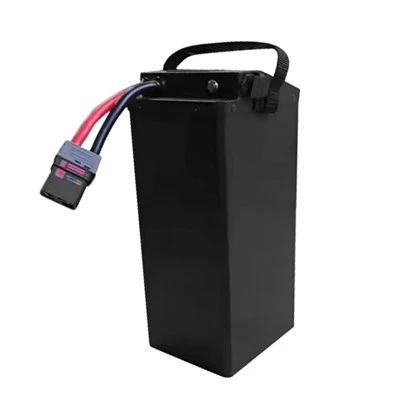
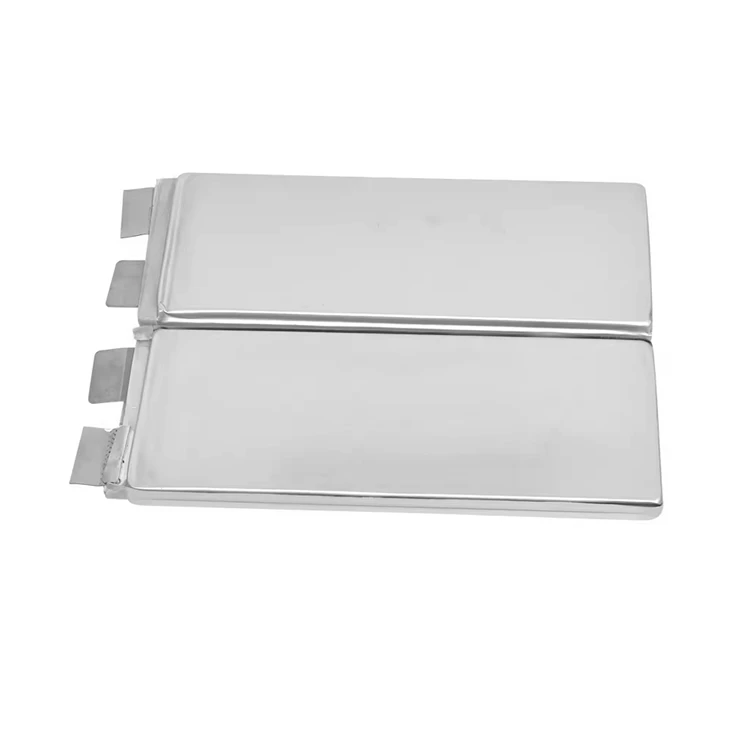
Let's take a look at some of the lipo batteries we offer. We have the 3.7V 11Ah Lipo Battery. This battery is designed with high - quality materials, which helps to keep the self - discharge rate relatively low. It's great for a variety of applications, like powering small drones or RC cars.
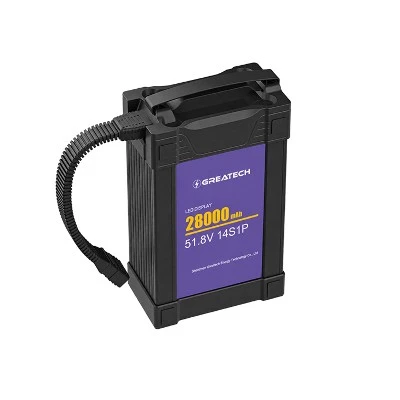
Another popular option is the 3.7V 22Ah 10C High Rate Polymer Battery Soft Pack Lithium. This high - rate battery is built to deliver a lot of power quickly, but it also has a decent self - discharge rate. It's suitable for more demanding applications, such as high - performance RC boats or large - scale drones.
We also have the 3.7V 5Ah Lipo Battery. This smaller battery is perfect for portable devices or small - scale projects. And just like our other batteries, we've made sure to keep the self - discharge rate in check.
Now, you might be wondering how to deal with self - discharge. Well, the first thing is to store your lipo batteries properly. As I mentioned earlier, store them at the right state of charge and in a cool, dry place. You can also use a battery charger with a storage mode. This mode will automatically charge or discharge the battery to the optimal storage state.
If you're planning to use your lipo battery after a long period of storage, it's a good idea to check its voltage before use. If the voltage is too low, you might need to charge it slowly to bring it back up to a safe level.
As a lipo battery supplier, we understand the importance of providing high - quality batteries with low self - discharge rates. We work hard to source the best materials and use the latest manufacturing techniques to ensure that our batteries meet the highest standards.

If you're in the market for lipo batteries, whether it's for a hobby project, a commercial application, or something else, we'd love to hear from you. We can offer you a wide range of lipo batteries with different capacities, discharge rates, and features to suit your specific needs. Don't hesitate to reach out to us for more information or to start a procurement discussion. We're here to help you find the perfect battery solution.
References:
- Battery University: A comprehensive resource on battery technology and related topics.
- Various research papers on lithium - polymer battery technology.