


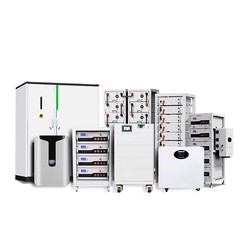



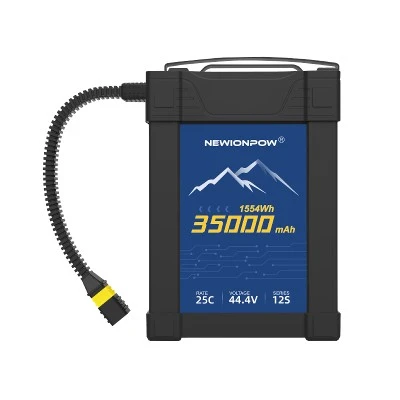


As a supplier of 48V batteries, I often get asked about the optimal temperature range for these batteries to function properly. Understanding the temperature requirements is crucial for ensuring the longevity, performance, and safety of 48V batteries. In this blog post, I'll delve into the ideal temperature range for 48V batteries and explain why temperature management is so important.
The Basics of 48V Batteries
Before we discuss the temperature range, let's briefly touch on what 48V batteries are and where they are commonly used. 48V batteries are a popular choice for a variety of applications, including electric vehicles, solar energy storage systems, and industrial equipment. They offer a good balance between power output and energy density, making them suitable for both high - power and long - duration use.
There are different types of 48V batteries, such as lithium - ion and lithium iron phosphate (LiFePO4). Each type has its own characteristics, and their performance can be significantly affected by temperature.
Temperature Range for Lithium - Ion 48V Batteries
Lithium - ion batteries are widely used in many 48V applications due to their high energy density and long cycle life. The optimal temperature range for a 48V lithium - ion battery to work properly is generally between 20°C and 40°C (68°F - 104°F).
At Optimal Temperatures
Within this range, the chemical reactions inside the battery occur at an ideal rate. The electrolyte has good conductivity, allowing for efficient movement of lithium ions between the anode and the cathode. This results in high charge and discharge efficiency, long battery life, and consistent power output. For example, if you are using a 48V 24Ah Lithium Ion Battery in an electric scooter, operating it within this temperature range will ensure smooth acceleration and a longer range per charge.
At Lower Temperatures
When the temperature drops below 20°C, the performance of lithium - ion batteries starts to degrade. The viscosity of the electrolyte increases, which slows down the movement of lithium ions. This leads to a decrease in the battery's charge and discharge capacity. At very low temperatures, say below 0°C (32°F), the battery may even stop working altogether. In cold weather, the internal resistance of the battery increases, and the available power decreases. If you try to charge a lithium - ion battery at low temperatures, it can cause lithium plating on the anode, which is a safety hazard and can significantly reduce the battery's lifespan.
At Higher Temperatures
On the other hand, when the temperature rises above 40°C, the chemical reactions inside the battery become too fast. This can cause the electrolyte to break down, leading to the formation of gas and an increase in internal pressure. High temperatures also accelerate the degradation of the battery's electrodes, reducing its cycle life. Prolonged exposure to high temperatures can even lead to thermal runaway, a dangerous situation where the battery overheats and may catch fire or explode.


Temperature Range for 48V Lithium Iron Phosphate Batteries
Lithium iron phosphate (LiFePO4) batteries are another type of 48V battery, known for their safety and long cycle life. The optimal temperature range for a 48V Lithium Iron Phosphate Battery is slightly wider compared to lithium - ion batteries, typically between 15°C and 50°C (59°F - 122°F).
Advantages at Different Temperatures
LiFePO4 batteries are more tolerant of high temperatures than lithium - ion batteries. They have a lower risk of thermal runaway and can maintain a relatively stable performance at higher temperatures. At lower temperatures, while their performance also decreases, they are less likely to experience lithium plating during charging compared to lithium - ion batteries.
Performance at Low Temperatures
However, like all batteries, LiFePO4 batteries still suffer from reduced capacity and power output at low temperatures. The decrease in performance is less severe than that of lithium - ion batteries, but it is still noticeable. For instance, in a solar energy storage system using a 48V LiFePO4 battery, cold winter temperatures may result in a lower available energy storage capacity.
Performance at High Temperatures
At high temperatures, although LiFePO4 batteries are more stable, they still need proper thermal management. Continuous operation at temperatures above 50°C can still lead to a gradual reduction in battery life and performance over time.
The Importance of Temperature Management
Given the significant impact of temperature on battery performance, temperature management is essential for 48V batteries.
Cooling Systems
In applications where the battery may be exposed to high temperatures, such as in electric vehicles or industrial equipment, cooling systems are often used. These systems can use air or liquid cooling to keep the battery within the optimal temperature range. For example, some electric cars have liquid - cooled battery packs to prevent overheating during high - power operation or in hot climates.
Heating Systems
In cold environments, heating systems may be required to warm up the battery to the optimal temperature range. This is especially important for electric vehicles that need to operate in cold weather. A well - designed heating system can ensure that the battery can deliver sufficient power even in freezing conditions.
Real - World Examples
Let's take a look at some real - world scenarios to understand the importance of temperature range.
Electric Vehicles
In an electric vehicle powered by a 48V 45Ah Lithium Ion Battery, driving in extremely hot or cold weather can have a big impact on the vehicle's range. In hot summer days, if the battery overheats, the vehicle may experience a reduction in power and a shorter driving range. In cold winter, the battery may not be able to deliver as much power, resulting in slower acceleration and a reduced range.
Solar Energy Storage
For solar energy storage systems using 48V batteries, temperature fluctuations can affect the efficiency of energy storage and retrieval. In a hot climate, if the battery is not properly cooled, it may lose some of its capacity over time. In a cold climate, the battery may not be able to store as much energy during the day and may not be able to supply enough power at night.
Conclusion
In conclusion, the optimal temperature range for a 48V battery to work properly depends on the type of battery. For lithium - ion batteries, it is between 20°C and 40°C, while for lithium iron phosphate batteries, it is between 15°C and 50°C. Temperature management is crucial for ensuring the performance, longevity, and safety of these batteries.
If you are in the market for high - quality 48V batteries, we are here to help. Our range of 48V batteries is designed to meet the highest standards of performance and reliability. Whether you need a battery for an electric vehicle, a solar energy storage system, or industrial equipment, we have the right solution for you. Contact us for more information and to discuss your specific requirements. We look forward to working with you to find the perfect 48V battery for your needs.
References
- Linden, D., & Reddy, T. B. (2002). Handbook of Batteries. McGraw - Hill.
- Chen, Z., & Evans, B. R. (2012). Lithium - Ion Batteries: Science and Technologies. Springer.


