




Hey there! As an 80V battery supplier, I often get asked about how to connect an 80V battery to a circuit. It might seem a bit daunting at first, but with the right knowledge and a bit of caution, it's actually doable. In this blog, I'll walk you through the process step by step.
First things first, let's talk about safety. Working with an 80V battery is no joke. This is a high - voltage system, and any mistake can lead to serious injury or damage. Always wear appropriate safety gear like insulated gloves and safety glasses. Make sure your work area is dry and free from any flammable materials.


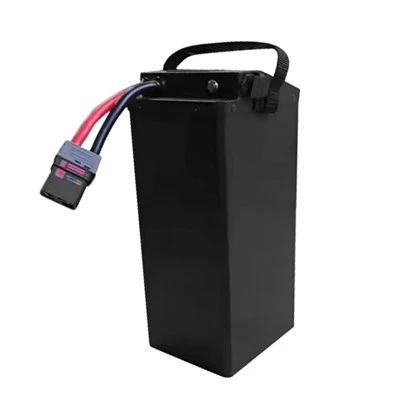
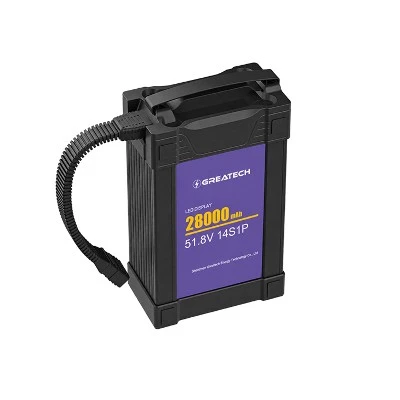
Now, let's get into the types of 80V batteries we offer. We have some great options, like the 80V 100Ah LiFePo4 Battery. This battery is known for its long lifespan and high energy density. It's a popular choice for many applications. Another option is the Lithium Phosphate Battery, which has excellent thermal stability and is relatively safe to use. And if you need a bit less capacity, the 80V 55Ah Lithium Ion Battery is a great pick.
Before you start connecting the battery, you need to understand your circuit requirements. Check the voltage and current ratings of your circuit. The 80V battery should match the voltage requirements of the circuit. If the circuit needs a different voltage, you might need to use a voltage regulator or a DC - DC converter.
Let's start with the actual connection process. First, you'll need to identify the positive and negative terminals of the battery. Usually, the positive terminal is marked with a plus sign (+) and the negative with a minus sign (-). Make sure you double - check these markings.
You'll also need the right cables. Use cables that are rated for the high voltage and current of the 80V battery. The cables should be thick enough to handle the power without overheating. You can find these cables at most hardware stores or online.
When you're ready to connect, start by turning off the power to the circuit. This is crucial for your safety. Then, connect the positive cable from the battery to the positive terminal of the circuit. Make sure the connection is tight. You can use a wrench or a screwdriver to secure the connection.
Next, connect the negative cable from the battery to the negative terminal of the circuit. Again, ensure a tight connection. Once both connections are made, you can turn the power back on to the circuit.
But wait, there's more! You need to test the circuit to make sure everything is working properly. Use a multimeter to check the voltage across the circuit. It should read close to 80V. If the voltage is way off, there might be a problem with the connection or the circuit itself.
If you're using multiple batteries in series or parallel, the process gets a bit more complicated. When connecting batteries in series, you connect the positive terminal of one battery to the negative terminal of the next battery. This increases the total voltage. For example, if you connect two 40V batteries in series, you'll get an 80V output.
When connecting batteries in parallel, you connect all the positive terminals together and all the negative terminals together. This increases the total capacity of the battery bank but keeps the voltage the same.
It's also important to have a battery management system (BMS). A BMS helps protect the battery from overcharging, over - discharging, and short - circuits. It monitors the battery's voltage, temperature, and current, and takes appropriate actions to keep the battery safe.
Now, if you're thinking about purchasing our 80V batteries for your projects, we're here to help. Whether you're working on an electric vehicle, a solar power system, or any other application that needs high - voltage power, our batteries are a great choice. We've got a wide range of options to suit different needs.
If you have any questions about which battery is right for you, or if you want to discuss your specific requirements, feel free to reach out. We're always happy to talk about how our 80V batteries can fit into your projects. Just drop us a message, and we'll get back to you as soon as possible.
In conclusion, connecting an 80V battery to a circuit is a task that requires careful planning and attention to detail. By following the steps I've outlined and taking the necessary safety precautions, you can do it successfully. And if you need a reliable 80V battery, we've got you covered.
References:
- General knowledge about battery connections and safety
- Product specifications of our 80V batteries