




As a reputable 12V battery supplier, I understand the importance of maintaining your batteries to ensure optimal performance and longevity. One crucial aspect of battery maintenance is checking the electrolyte level, especially in traditional lead-acid batteries. In this blog post, I'll guide you through the process of checking the electrolyte level in a 12V battery, providing you with the knowledge and confidence to keep your batteries in top condition.
Understanding the Electrolyte in a 12V Battery
Before we dive into the checking process, let's briefly understand what the electrolyte is and why it's important. In a lead-acid battery, the electrolyte is a mixture of sulfuric acid and water. It plays a vital role in the battery's chemical reactions, allowing the battery to store and release electrical energy. The electrolyte level should be maintained within a specific range to ensure the battery functions properly. If the electrolyte level is too low, the battery plates can become exposed, leading to reduced performance and potentially permanent damage. On the other hand, if the electrolyte level is too high, it can overflow during charging, causing corrosion and other safety hazards.

Tools and Materials You'll Need
To check the electrolyte level in a 12V battery, you'll need the following tools and materials:
- Safety goggles and gloves: The electrolyte in a lead-acid battery is corrosive, so it's essential to protect your eyes and hands.
- A battery hydrometer: This tool measures the specific gravity of the electrolyte, which can indicate the state of charge and the health of the battery.
- Distilled water: If the electrolyte level is low, you'll need to add distilled water to bring it back to the proper level.
- A clean cloth or paper towel: To clean up any spills or drips.
Step-by-Step Guide to Checking the Electrolyte Level
Now that you have the necessary tools and materials, let's walk through the process of checking the electrolyte level in a 12V battery:
- Safety First: Put on your safety goggles and gloves to protect yourself from the corrosive electrolyte. Make sure the battery is disconnected from any power source to avoid electrical shock.
- Locate the Battery Cells: Most 12V lead-acid batteries have six cells, each with a vent cap on top. These caps are usually marked with a "+" or "-" sign to indicate the positive and negative terminals. Remove the vent caps carefully using a flathead screwdriver or your fingers.
- Inspect the Electrolyte Level: Look into each cell to check the electrolyte level. The electrolyte should cover the battery plates completely. There are usually two indicators inside the battery: a minimum and a maximum level. The electrolyte level should be between these two marks. If the electrolyte level is below the minimum mark, it needs to be topped up.
- Use a Battery Hydrometer (Optional): If you have a battery hydrometer, you can use it to measure the specific gravity of the electrolyte in each cell. The specific gravity indicates the state of charge of the battery. A fully charged battery typically has a specific gravity of around 1.265 to 1.280 at 80°F (27°C). If the specific gravity is significantly lower in one or more cells, it could indicate a problem with the battery, such as a sulfated cell or a faulty cell.
- Add Distilled Water (if necessary): If the electrolyte level is below the minimum mark, carefully add distilled water to each cell until the level reaches the maximum mark. Do not use tap water, as it contains minerals and impurities that can damage the battery. Use a funnel to avoid spills and overfilling.
- Replace the Vent Caps: Once you've added the distilled water, replace the vent caps securely. Make sure they are tightened properly to prevent any electrolyte from leaking out.
- Clean Up: Wipe up any spills or drips with a clean cloth or paper towel. Dispose of the used materials safely, as they may be contaminated with the corrosive electrolyte.
Tips for Maintaining the Electrolyte Level
- Regular Checks: It's a good idea to check the electrolyte level in your 12V battery regularly, especially if you use the battery frequently or in extreme conditions. A monthly check is recommended for most applications.
- Charge the Battery Properly: Overcharging or undercharging the battery can cause the electrolyte level to fluctuate. Make sure you use a charger that is compatible with your battery and follow the manufacturer's instructions for charging.
- Store the Battery Correctly: If you're not using the battery for an extended period, store it in a cool, dry place. Make sure the battery is fully charged before storing it to prevent sulfation.
- Inspect the Battery for Damage: Check the battery for any signs of damage, such as cracks, leaks, or corrosion. If you notice any damage, replace the battery immediately to avoid safety hazards.
Our Range of 12V Batteries
As a 12V battery supplier, we offer a wide range of high-quality batteries to meet your needs. Whether you're looking for a battery for your car, boat, RV, or solar system, we have the perfect solution for you. Here are some of our popular products:
- 12V 280Ah LiFePO4 Lithium Battery: This high-capacity lithium battery is ideal for applications that require a long-lasting and reliable power source. It has a high energy density, a long cycle life, and is maintenance-free.
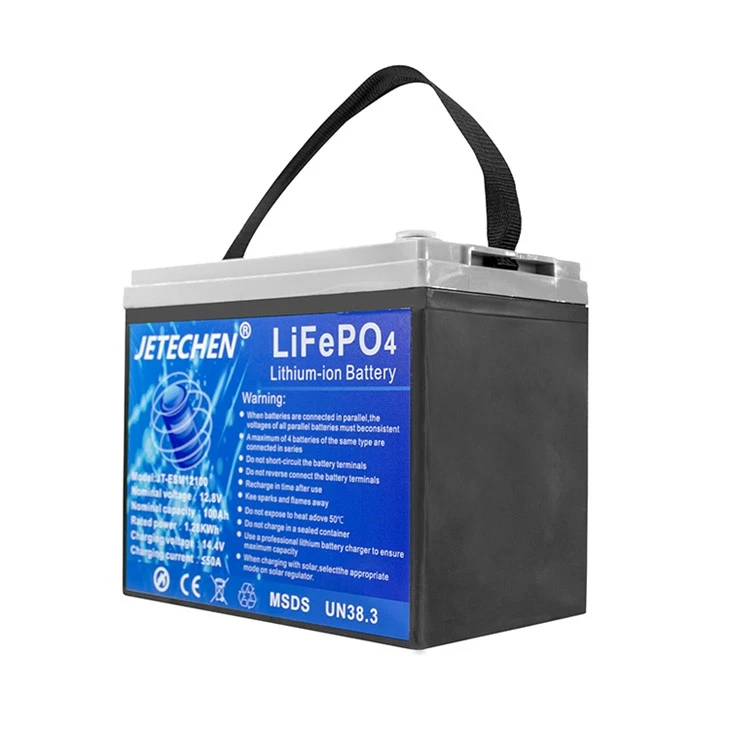
- 12V 100Ah LiFePO4 Lithium Battery: This compact and lightweight lithium battery is perfect for smaller applications, such as portable power stations and electric scooters. It offers a high level of performance and is easy to install.
- 12V 400Ah LiFePO4 Lithium Battery: This powerful lithium battery is designed for heavy-duty applications, such as off-grid solar systems and large boats. It has a high capacity and can provide a continuous power supply for extended periods.
Contact Us for Your Battery Needs
If you have any questions about checking the electrolyte level in a 12V battery or if you're interested in purchasing one of our high-quality 12V batteries, please don't hesitate to contact us. Our team of experts is always ready to assist you and provide you with the best solutions for your battery needs. Whether you're a DIY enthusiast or a professional installer, we have the knowledge and experience to help you make the right choice.
References
- Battery Council International (BCI). Battery Maintenance Guide.
- Battery University. Understanding Lead-Acid Batteries.